Ottawa Roof Repair & Maintenance Guide for Homeowners: 2026-2027
Roof problems rarely happen at a convenient time. A small leak, missing shingle, blocked gutter, or patch of ice buildup can quickly leave you wondering whether you need a simple repair or something more serious.
This 2026-2027 Ottawa roof repair and maintenance guide explains what homeowners should watch for, which problems need quick attention, and when it may be time to call a roofer. Ottawa’s snow, ice, wind, heavy rain, and freeze-thaw cycles can all take a toll on a roof, so catching problems early can help prevent more expensive damage.
What Causes Roof Leaks?
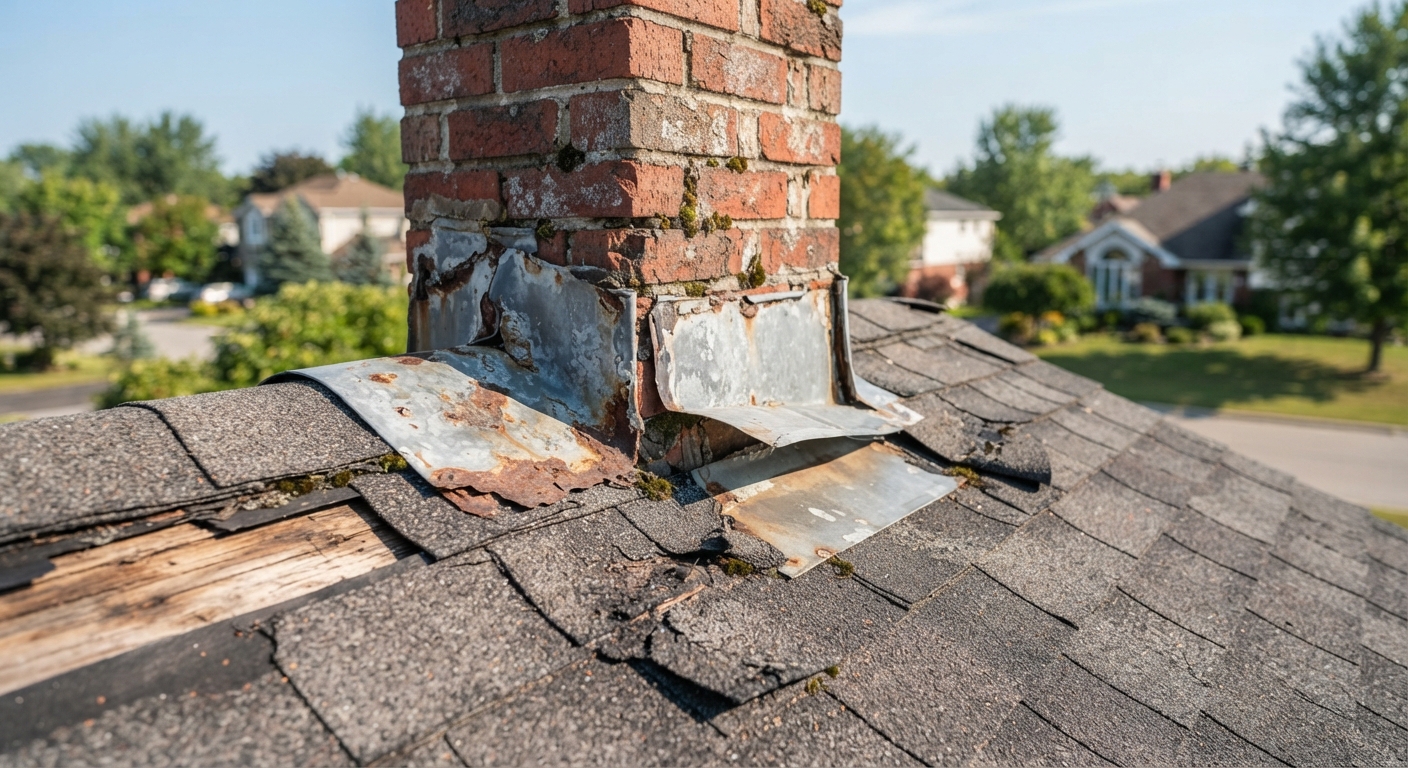
Finding water inside your home does not necessarily mean the shingles have failed. Roof leaks can start around flashing, vents, chimneys, valleys, damaged shingles, or other vulnerable areas and travel before the water finally becomes visible indoors.
Some of the most common causes Ottawa homeowners should watch for include:
- Missing, cracked, or damaged shingles
- Deteriorated or improperly installed flashing
- Problems around chimneys, skylights, and vents
- Damaged roof valleys
- Clogged or damaged gutters
- Ice dams
- Wind and storm damage
- Aging roofing materials
- Exterior cladding or waterproofing problems
- Attic condensation and ventilation issues
Because water can travel along framing and other materials, the visible stain inside your home may not be directly underneath the source of the leak.
Ice Dams and Ottawa Winters
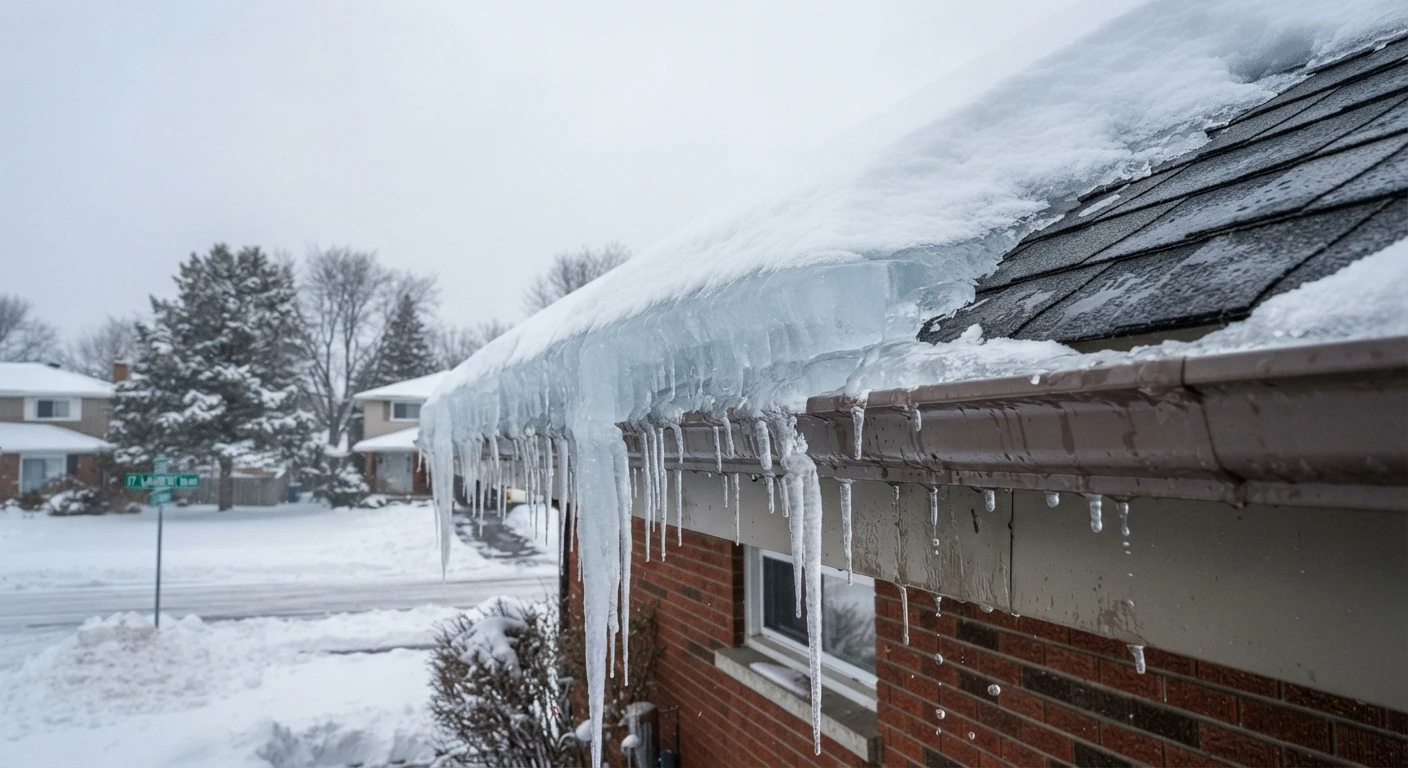
Ice dams are a common Ottawa winter roofing problem, especially after periods of heavy snow followed by warmer daytime temperatures and freezing nights.
They form when heat escaping from the home melts snow higher on the roof. The water runs toward the colder roof edge, freezes again, and can create a ridge of ice that prevents additional water from draining properly.
If you regularly see large icicles or thick ice building up along the edge of your roof, it may be worth having the roof and attic ventilation checked. The roofing material is not always the underlying problem. Insulation and ventilation can play a major role.
What Should You Do After a Storm Damages Your Roof?
You do not need to climb onto your roof to check for storm damage.
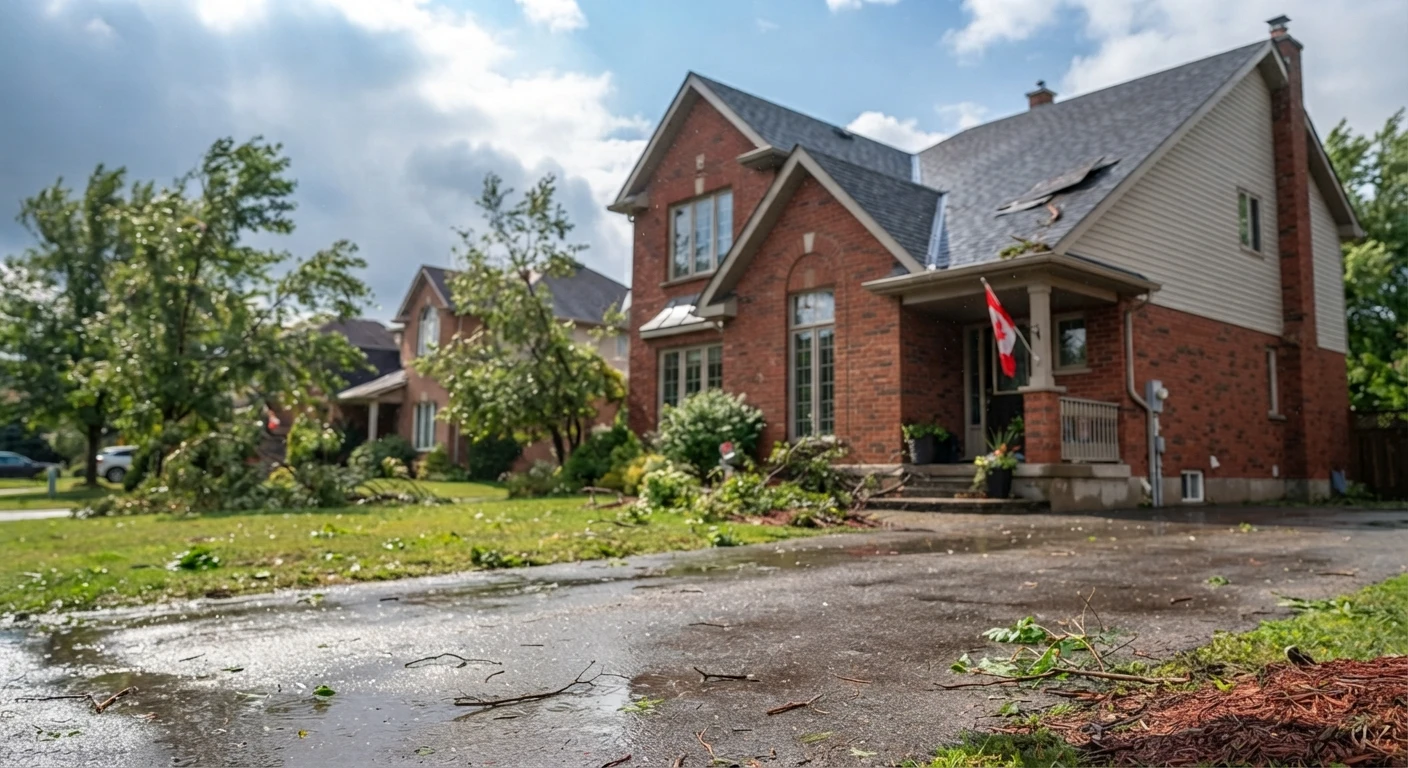
After strong winds, hail, freezing rain, or heavy snowfall, walk around your property from the ground and look for missing shingles, pieces of roofing material, damaged flashing, loose gutters, fallen branches, or anything that looks different from what it did before the storm.
Inside the home, check ceilings and attic areas for new stains, moisture, or dripping water. If you suspect significant damage, document what you can safely see with photos and arrange for the roof to be inspected.
What Should You Do If Your Roof Starts Leaking?
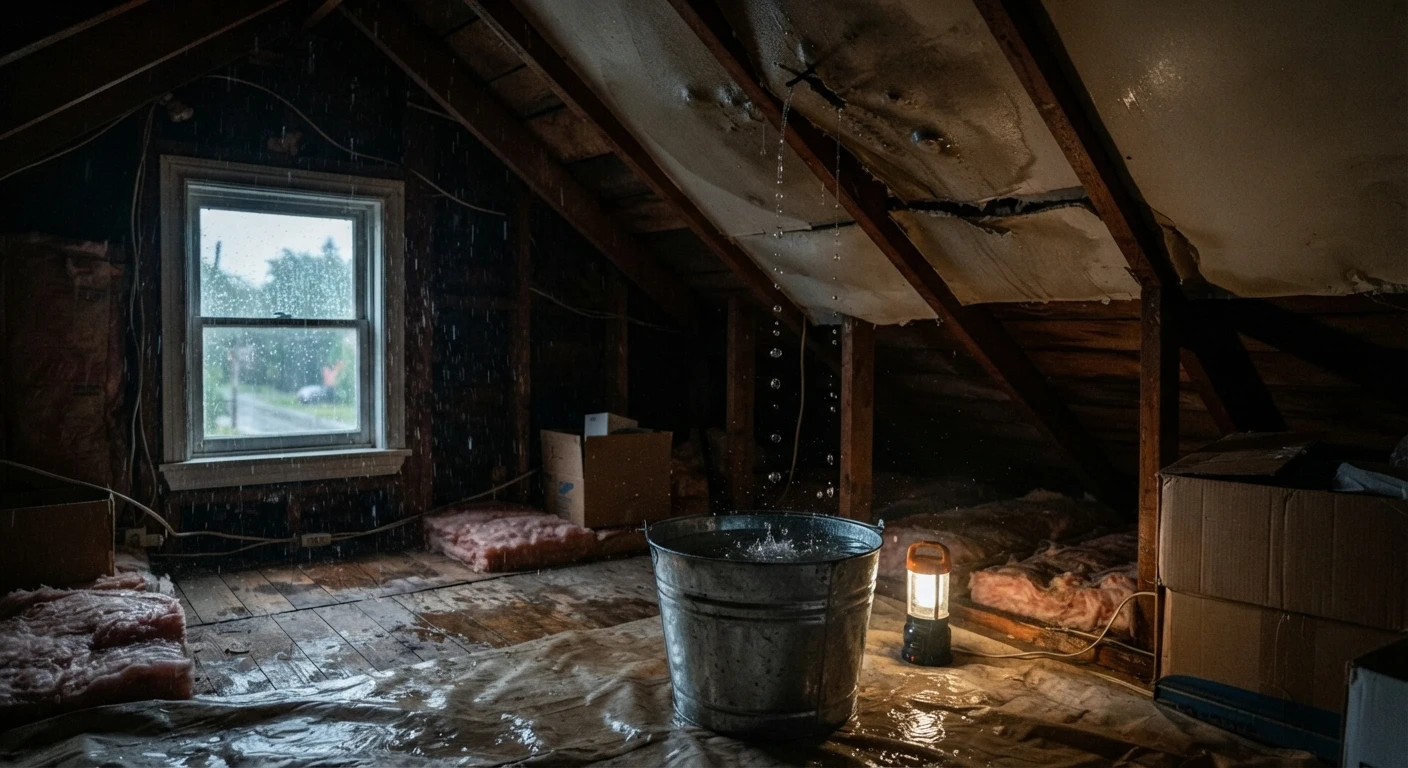
If water suddenly starts coming into your home, the first priority is limiting interior damage and staying safe.
Place a container beneath active drips, move furniture and valuables away from the affected area, and avoid touching wet electrical fixtures or damaged ceilings. If water is collecting behind a ceiling, do not stand directly underneath a sagging area.
Once the immediate interior damage is under control, contact a roofer to determine where the water is entering and whether a temporary repair is needed before permanent work can be completed.
Signs of Moisture Damage
Roof leaks are not always obvious. Sometimes the first warning sign is a stain, smell, or change inside the attic rather than water actively dripping from the ceiling.
Watch for:
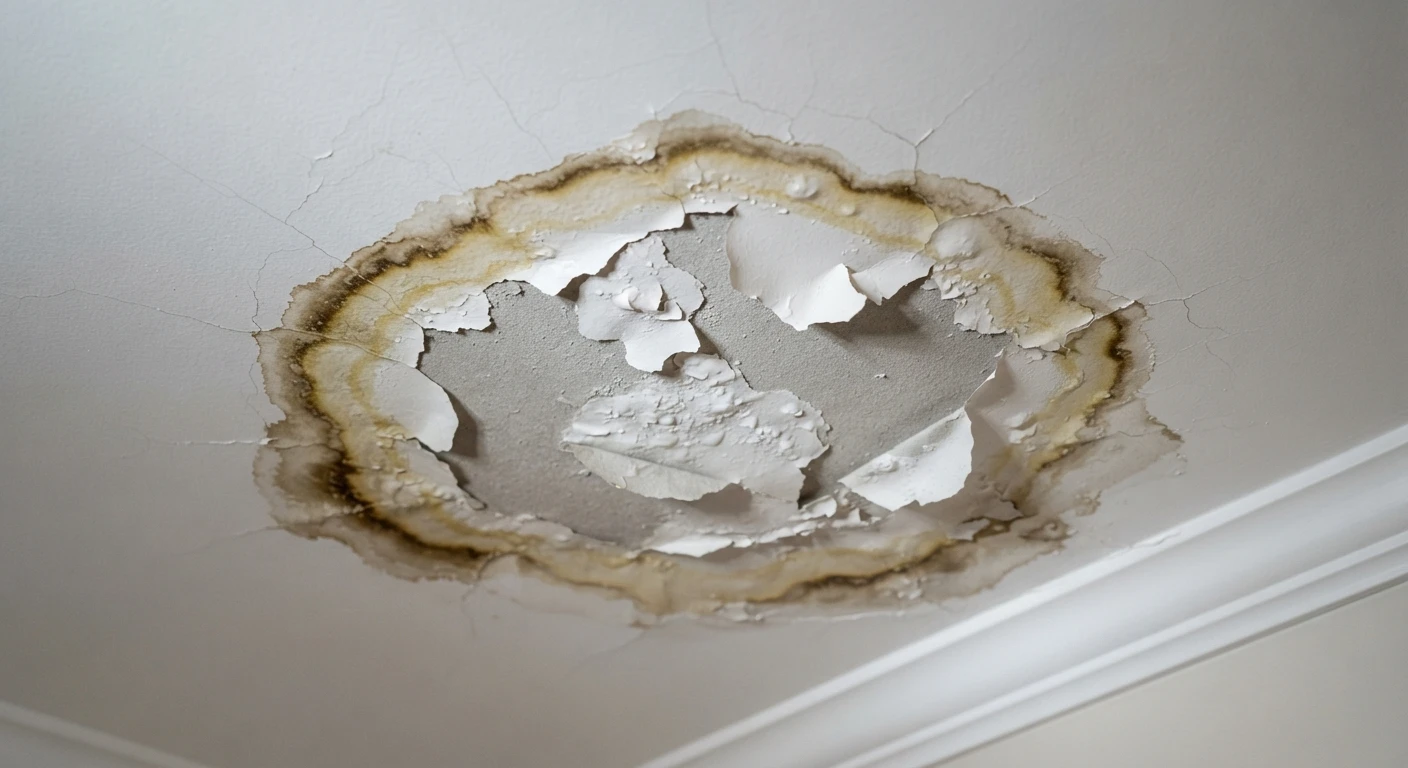
- Water stains on ceilings or walls
- Peeling or bubbling paint
- Damp insulation
- Musty odours
- Visible mould or mildew
- Discoloured roof decking
- Unexplained attic moisture
- Recurring condensation
- Rotting wood around roof or exterior components
One small ceiling stain does not always mean major roof damage, but it should not be ignored. Moisture problems tend to become more expensive when water is allowed to keep entering the home.
How Gutters and Exteriors Affect Roof Leaks
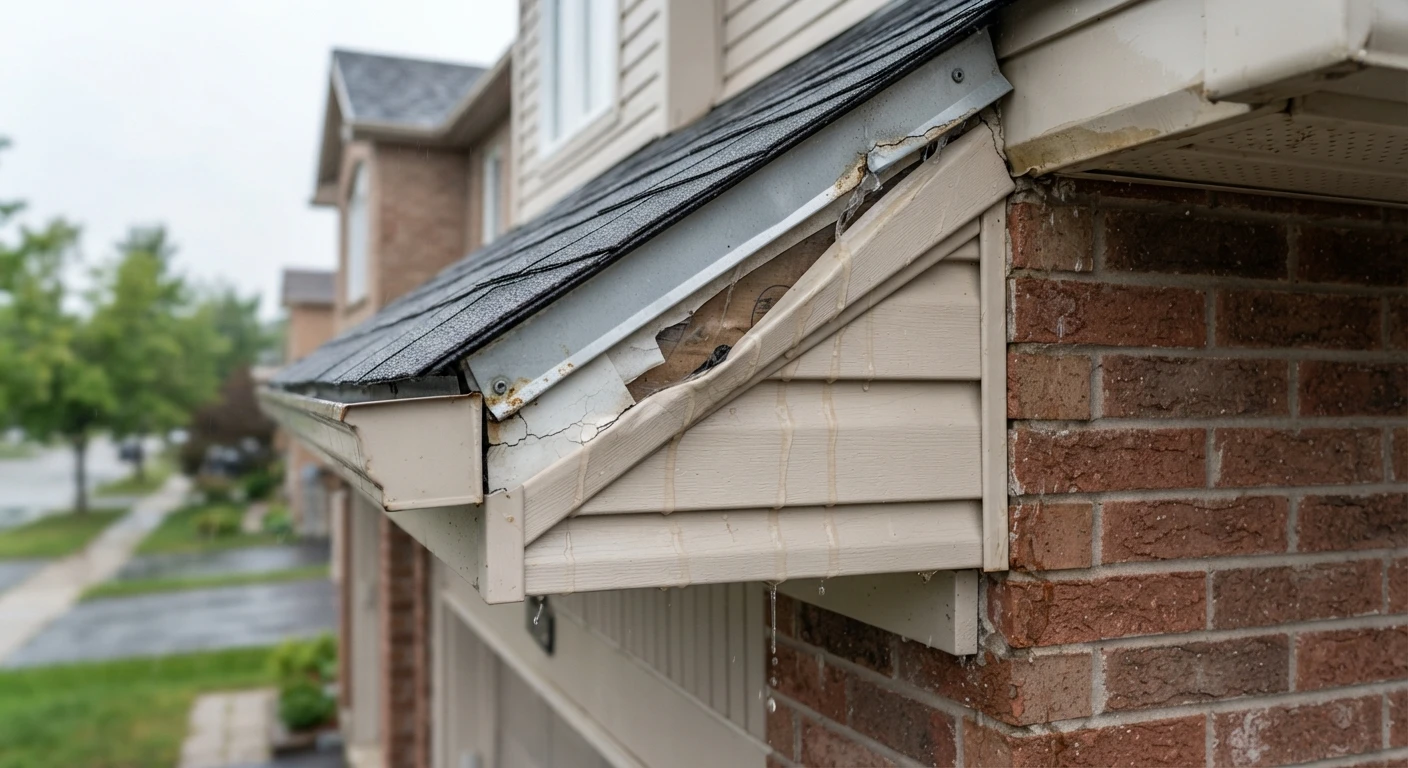
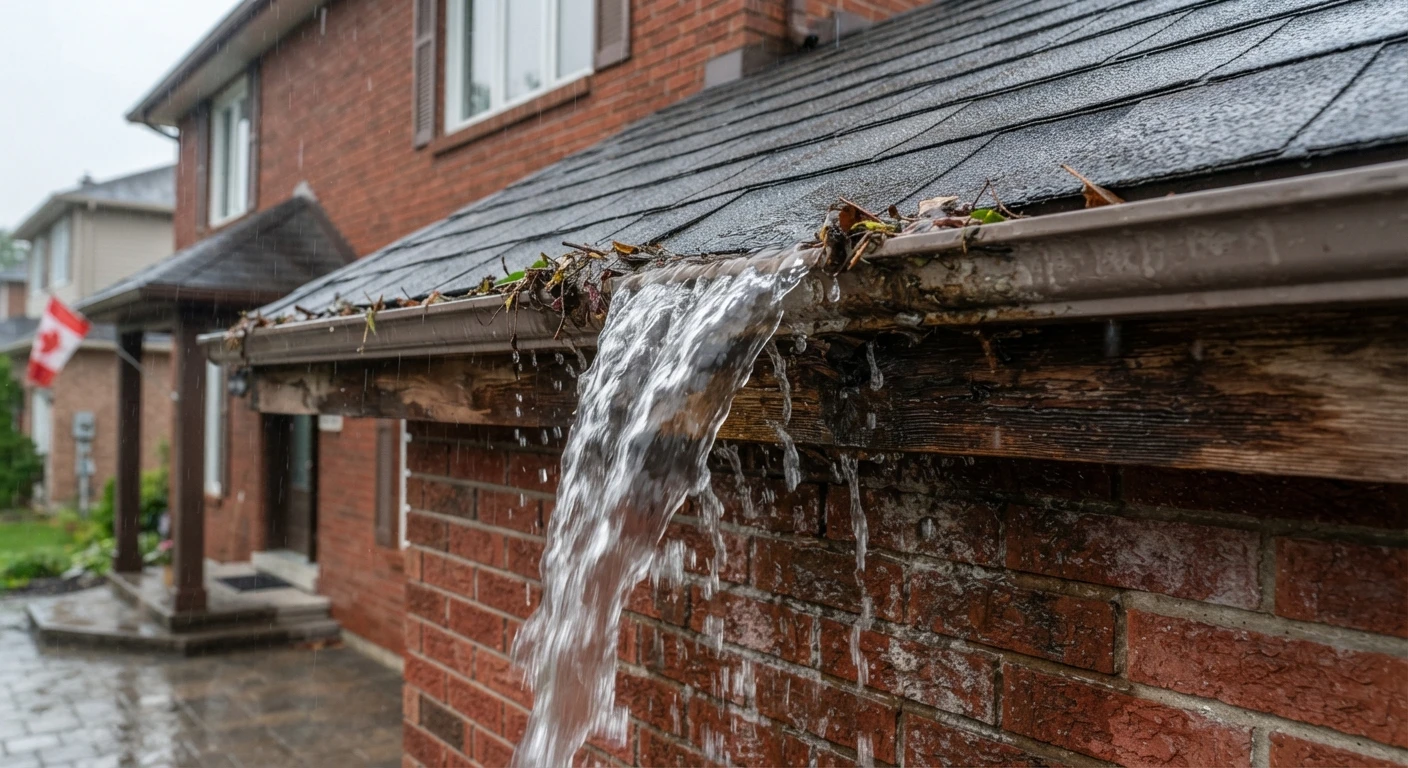
Your shingles are only one part of the system that keeps water out of your home. Gutters, downspouts, flashing, siding, soffits, and roof edges all help move water away from vulnerable areas.
When gutters are clogged or damaged, water can overflow or back up near the roof edge. Loose flashing or deteriorated exterior materials can also create openings where water enters.
If you’re dealing with a recurring leak, it is worth checking the surrounding exterior components rather than assuming the shingles are automatically the problem.
Roof Maintenance for Ottawa Homes in 2026-2027
Regular roof maintenance can help catch small problems before they become expensive repairs. For Ottawa homeowners, a good time to check the roof is after winter, after major storms, and before another heavy snow season begins.
You do not necessarily need a formal roof inspection every few months. Simply watching for missing shingles, damaged flashing, overflowing gutters, unusual ice buildup, stains in the attic, or changes around vents and chimneys can help you spot problems earlier.
- Check for missing, curling, or damaged shingles
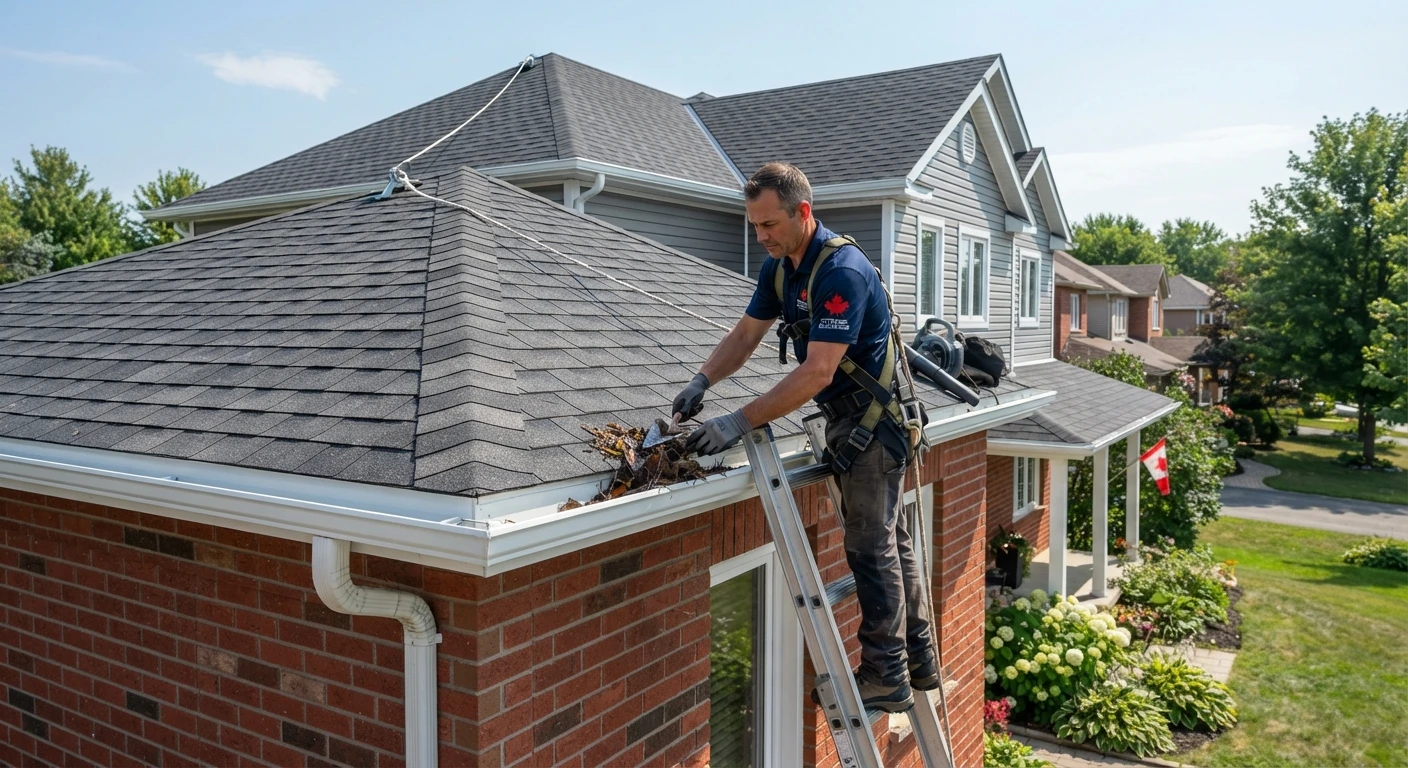
- Clear leaves and debris from gutters
- Check flashing around chimneys and vents
- Look for new ceiling or attic stains
- Watch for excessive winter ice buildup
- Trim branches that are touching or hanging over the roof
- Check that downspouts are moving water away from the house

Why Roof Repair Costs Vary
Roof repair costs can vary depending on the type and extent of the damage, how easy the affected area is to access, and whether additional problems are discovered once the work begins.
A small shingle or flashing repair may be relatively straightforward, while leaks involving damaged decking, insulation, ventilation, or multiple areas of the roof can require more time and materials.
The best way to understand the likely cost is to have the problem inspected and get an estimate based on the actual condition of your roof.
Planning Roofing Work in 2026 or 2027?
Roofing prices are affected by more than the size of your home. Material costs, fuel and transportation expenses, labour, disposal fees, supplier pricing, and changing weather conditions can all affect the cost of a repair or replacement.
Ottawa’s heavy snow, ice, strong winds, rainfall, and repeated freeze-thaw cycles can also create unexpected roof damage from one season to the next. If you’re budgeting for roofing work in 2026 or 2027, use current estimates rather than relying on pricing from previous years, as material, fuel, labour, and other project costs can change over time.
Should You Repair or Replace Your Roof?
A roof problem does not automatically mean you need a new roof.
If the damage is isolated and the rest of the roofing system is still in good condition, a repair may be the sensible option. Replacement becomes more likely when problems are widespread, leaks keep returning, the roof is nearing the end of its expected lifespan, or several parts of the roofing system are deteriorating at once.
Ask the roofer to show you what is damaged and explain why they are recommending repair or replacement. A reputable contractor should be comfortable recommending a repair when a full replacement is not necessary.
Not Sure What Your Roof Needs?
A leak, damaged shingle, ice buildup, or water stain does not always mean you need a new roof. If you’re unsure what you’re dealing with, have the problem inspected so you can understand the cause and your repair options before making a decision.